
Muscle strains are more than just a nuisance; they’re a literal pain that can sideline you from your daily activities and favorite workouts. But there’s a silver lining to this cloud of discomfort: stretch therapy. This blog delves into how this therapeutic approach can be your ally against muscle strain, helping you bounce back stronger and more flexible than before
Understanding Muscle Strain
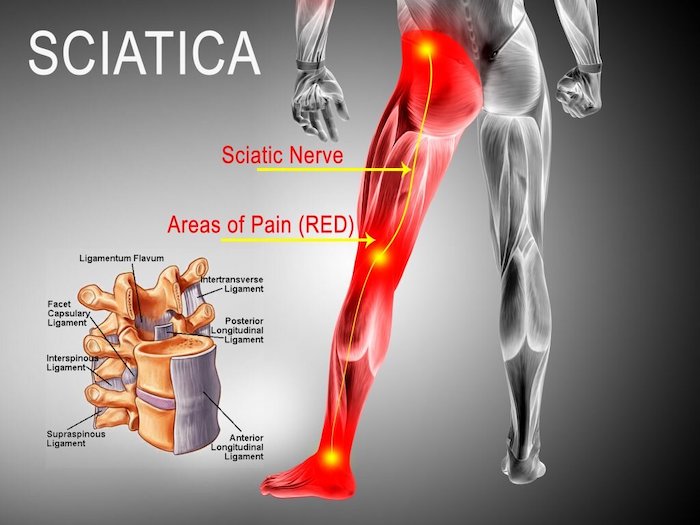
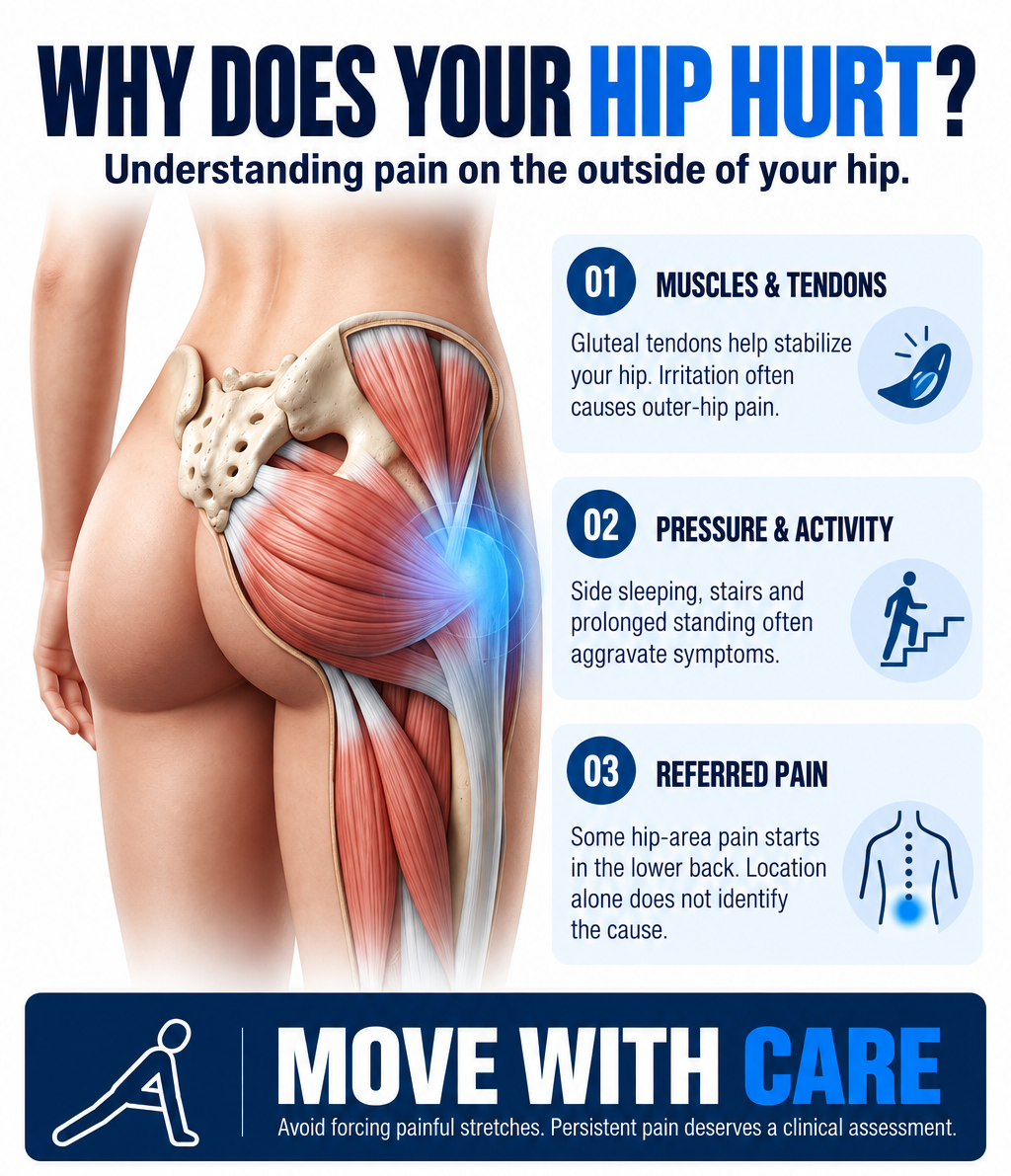
First things first, what exactly is a muscle strain? Imagine your muscles are like rubber bands. When they’re overstretched or used too suddenly, they can get small tears — that’s muscle strain. It can happen to anyone, whether you’re an athlete pushing your limits or someone reaching for a can on a high shelf. The symptoms? Pain, swelling, and a reduced range of motion that loudly declares something is amiss.
The Basics of Stretch Therapy
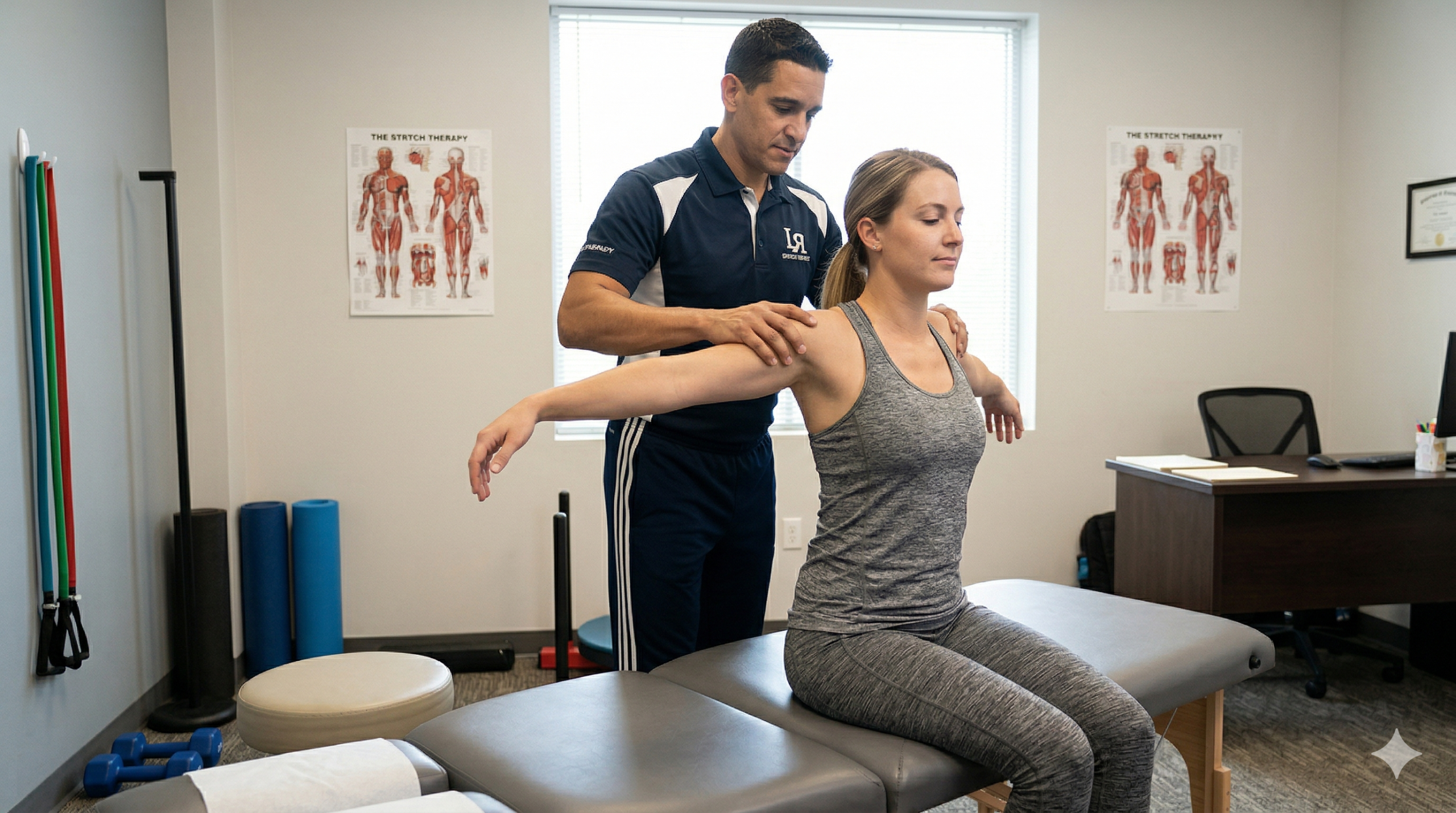
Now, enter stretch therapy — not your average stretching routine but a targeted approach to healing and prevention. It’s where science meets flexibility, guided by professionals who know just how to coax your muscles back to their happy place. Unlike the stretches you might do before a run, stretch therapy is a comprehensive program designed to improve overall flexibility and address specific areas of tension and pain.
How Stretch Therapy Works to Reduce Muscle Strain
So, how does it work its magic? Stretch therapy increases blood flow to the affected areas, helping to heal and nourish them. It gently persuades your muscles to relax, undoing knots and easing tension. Over time, this leads to improved flexibility, making you less prone to future strains. It’s like telling your muscles, “Hey, let’s not do that painful thing again,” and they actually listen.
Benefits of Stretch Therapy Beyond Muscle Strain Reduction
But the wonders of stretch therapy don’t stop there. It’s like a Swiss Army knife for your body, offering a range of benefits. From enhancing your range of motion to making you a better athlete, stretch therapy is the gift that keeps on giving. And let’s not forget the mental perks — reducing stress and ushering in a sense of relaxation that can feel downright meditative.
Types of Stretch Therapy
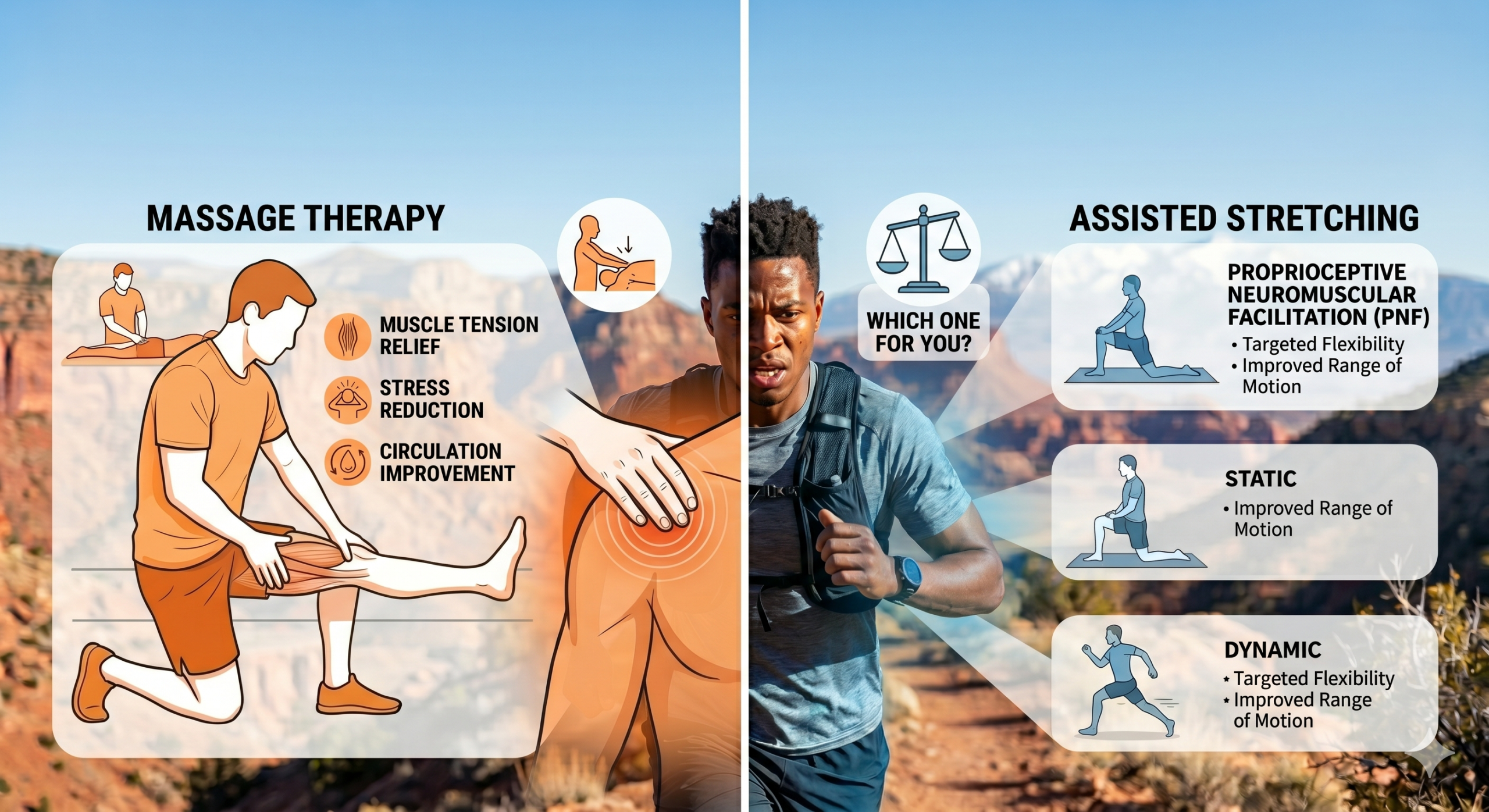
There’s more than one way to stretch a muscle. From static stretching, which focuses on holding a stretch, to dynamic stretching that involves movement, and PNF stretching, a technique that combines stretching and contracting the muscles, there’s a style to suit everyone’s needs. It’s about finding what works best for you and your muscles’ unique conversation.
Incorporating Stretch Therapy into Your Routine
Starting with stretch therapy doesn’t have to be daunting. A few sessions a week can make a significant difference, and you don’t need to be a contortionist to see benefits. If you’re unsure where to start, consulting a professional stretch therapist can set you on the right path, ensuring you’re stretching safely and effectively.
Precautions and Contraindications
As wonderful as stretch therapy is, it’s not a one-size-fits-all solution. Certain conditions may require you to modify or skip certain stretches. Always check with a healthcare professional before starting any new therapy, especially if you have underlying health issues.
Success Stories and Research
The proof is in the pudding, or in this case, the stretching. Numerous studies and personal testimonials attest to the efficacy of stretch therapy in reducing muscle strain and improving overall well-being. It’s not just anecdotal; it’s backed by science.
Muscle strains might be a fact of life, but suffering from them doesn’t have to be. Stretch therapy offers a path to not just recovery but also prevention, flexibility, and an enhanced sense of well-being. It’s an invitation to your muscles to be as resilient and adaptable as you are in the face of life’s challenges. So why not give them a little extra love and attention? Your body (and your future self) will thank you.