A Utah Athlete’s Honest Guide to Choosing the Right Recovery Tool
Most Utah weekend warriors reach a crucial turning point. This usually happens in their late twenties or after a big injury scare. Suddenly, recovery stops being optional.
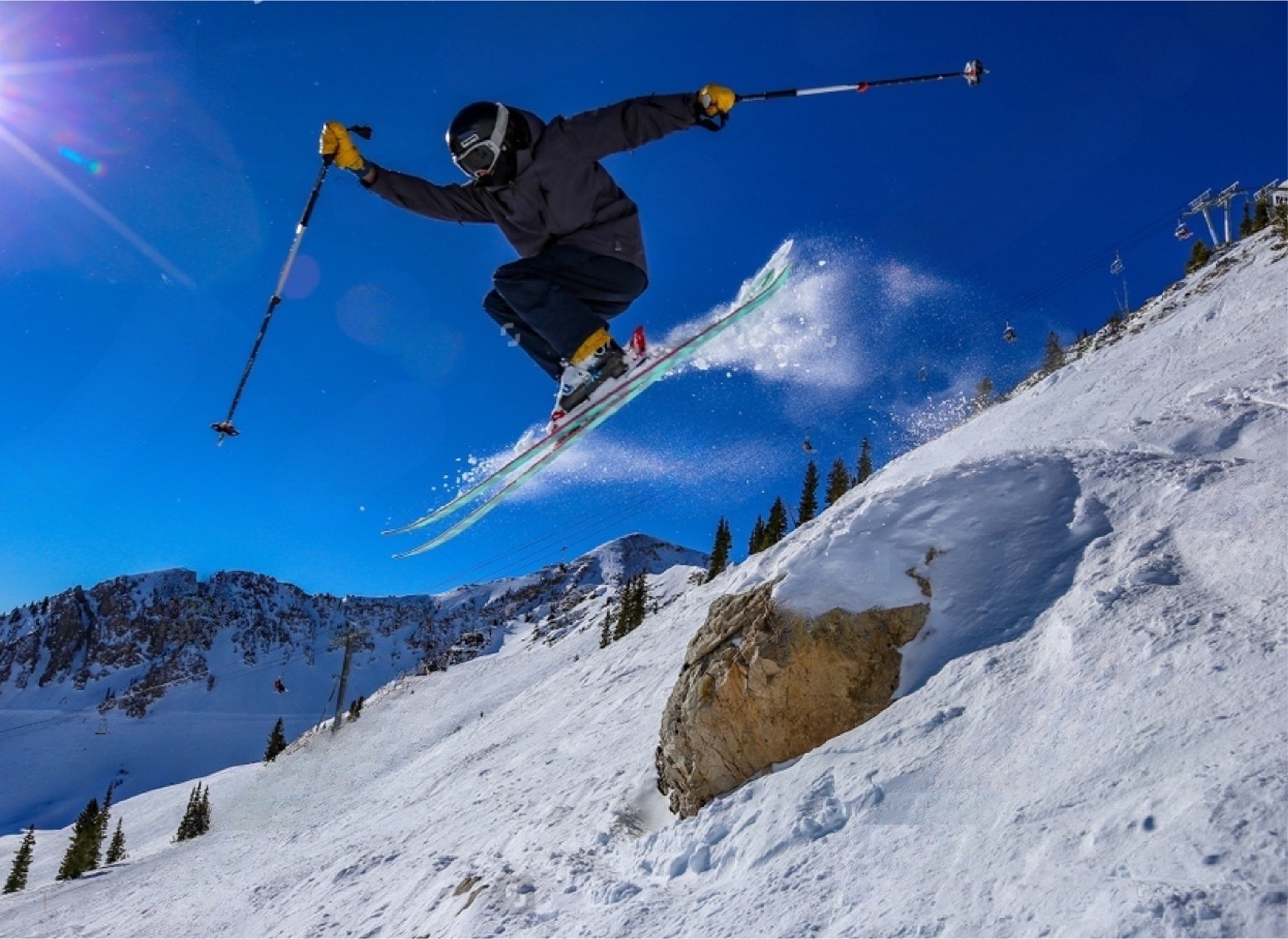
The training still feels great. Skiing, biking, hitting the gym, or hiking the foothills all remain worthwhile. However, the next morning starts to feel different. You feel stiffer and a little more cautious. Eventually, a familiar question appears in your search bar. Should I get a massage or try assisted stretching?
It’s a fair question. The answer matters more than most people realize. People often lump massage therapy and assisted stretching together as generic “self-care.” Yet, they do very different things to your body. They target different tissues, use different mechanisms, and have different timelines for results.
Picking the wrong option gives you a relaxing hour that doesn’t move the needle. Selecting the right one helps you feel like you got your body back. Sometimes, the right choice is a combination of both.
This guide breaks down exactly what each modality does. We will explore what the research actually says and when to choose each method. You will also learn how Utah Stretch & Flexibility uses a unique hybrid approach. We combine PNF-assisted stretching with methods like the Graston Technique to fill gaps in your recovery.
First, Let’s Define What We’re Actually Comparing
Before we get into when to pick which, it’s worth being clear about what’s actually happening in each session. Both methods feel very hands-on. A trained practitioner works directly on your body. But the mechanics are entirely different.
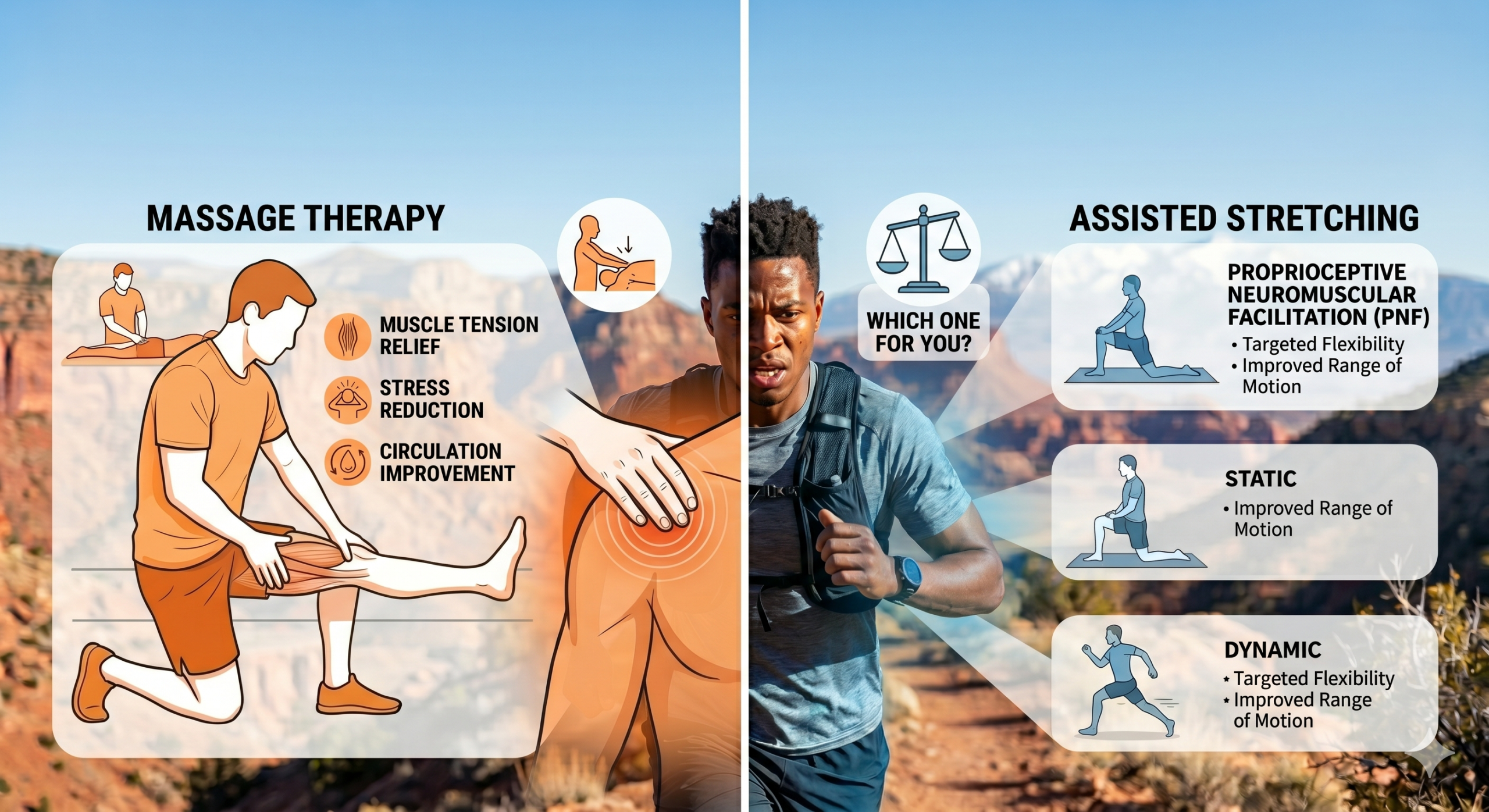
Massage therapy is, at its core, pressure-based work. Therapists use their hands, forearms, elbows, or tools to apply graded pressure. They target muscle, fascia, and connective tissue. Depending on the style, this pressure varies. Swedish massage offers light, circulatory strokes. Deep tissue or sports massage provides deep, targeted pressure. The main goal is to manipulate tissue from the outside in.
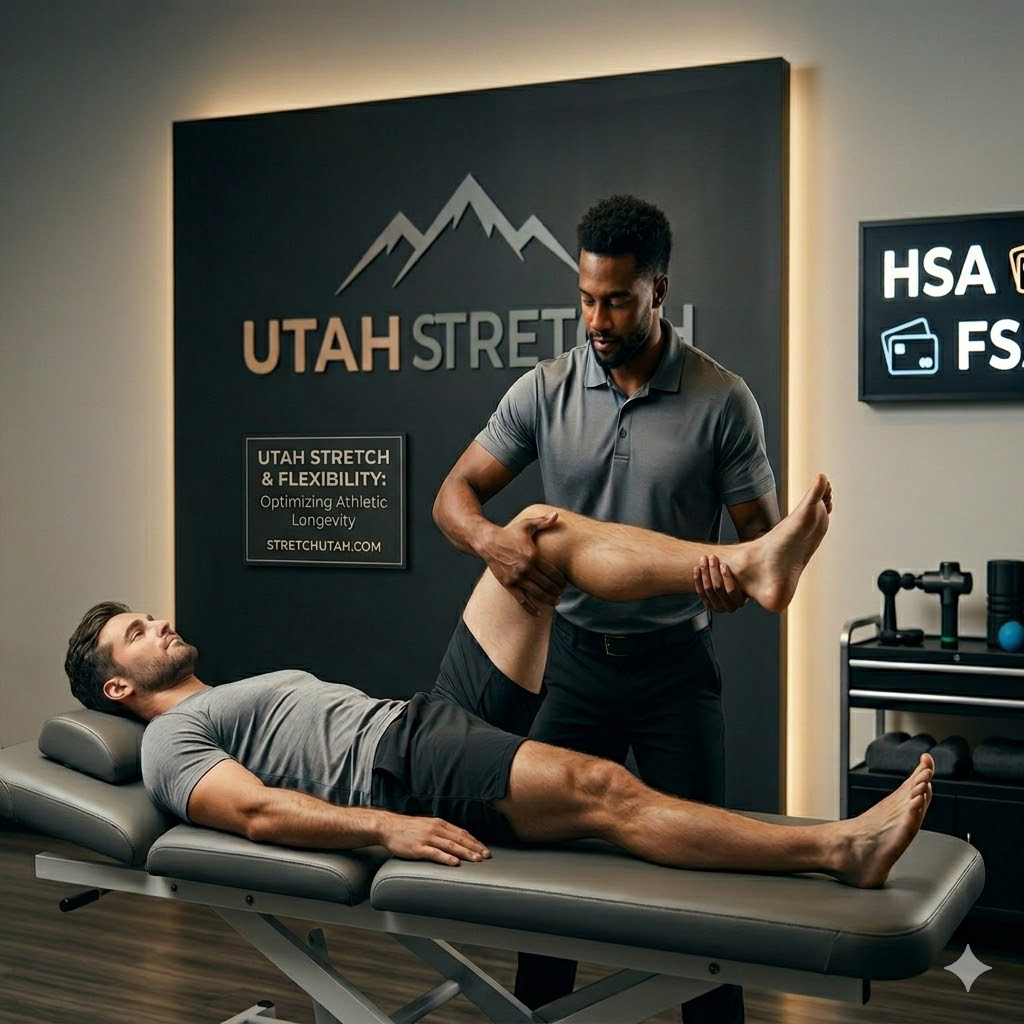
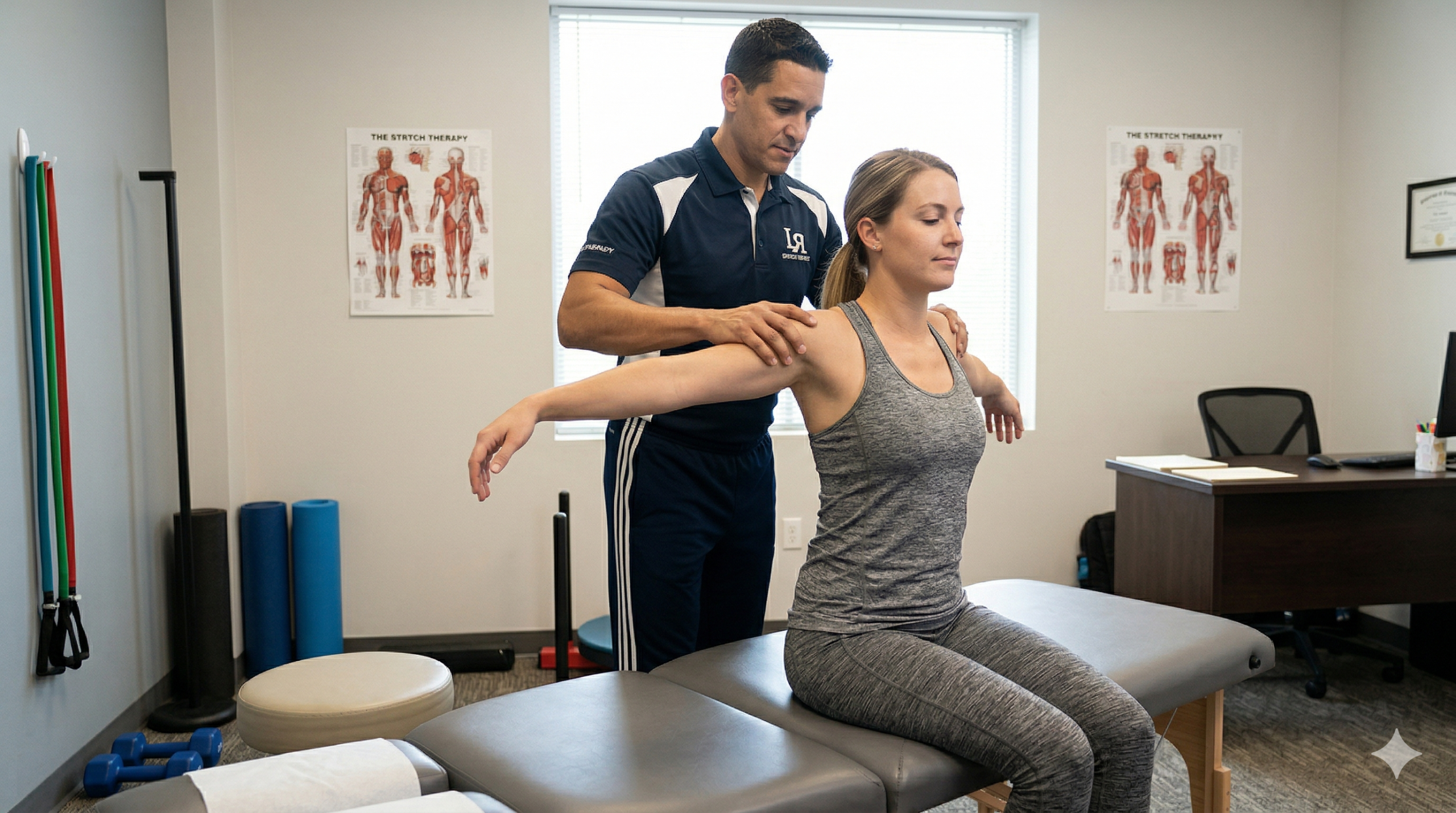
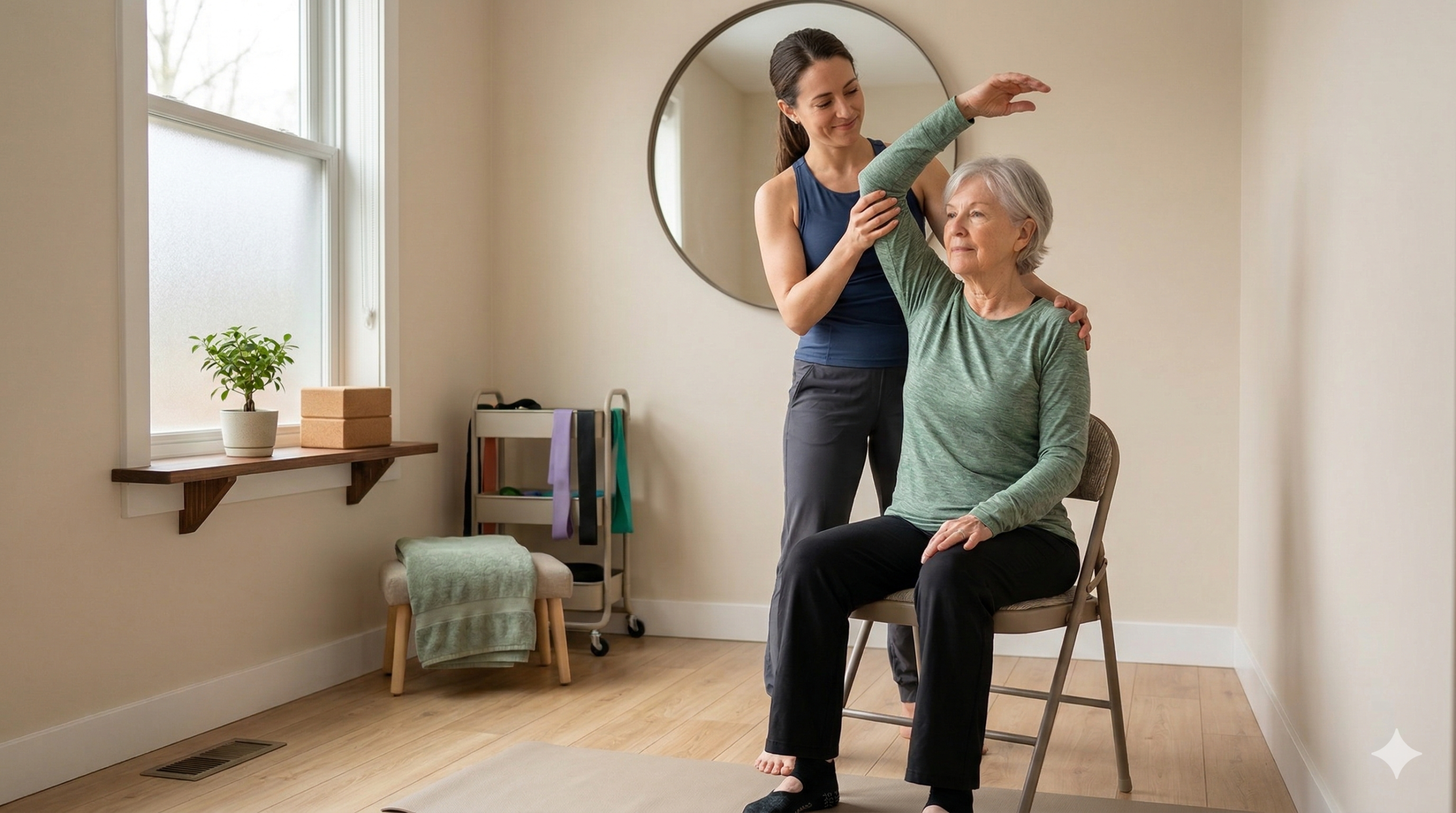
Assisted stretching is completely movement-based work. A trained practitioner guides your body and joints through controlled ranges of motion. They often use proprioceptive neuromuscular facilitation (PNF). This technique alternates passive stretches with brief, targeted muscle contractions. The primary goal is to lengthen your tissues. Just as importantly, it retrains your nervous system to accept and use that new length safely.
These two methods look similar from the outside. Both involve a quiet room, a comfortable table, and hands-on work. However, they target different layers of the body and trigger distinct physiological responses. Understanding these differences is the foundation for making good choices.
What Massage Therapy Actually Does to Your Body
Before we get into when to pick which, it’s worth being clear about what’s actually happening in each session. Both methods feel very hands-on. A trained practitioner works directly on your body. But the mechanics are entirely different.
Massage therapy is, at its core, pressure-based work. Therapists use their hands, forearms, elbows, or tools to apply graded pressure. They target muscle, fascia, and connective tissue. Depending on the style, this pressure varies. Swedish massage offers light, circulatory strokes. Deep tissue or sports massage provides deep, targeted pressure. The main goal is to manipulate tissue from the outside in.
Assisted stretching is completely movement-based work. A trained practitioner guides your body and joints through controlled ranges of motion. They often use proprioceptive neuromuscular facilitation (PNF). This technique alternates passive stretches with brief, targeted muscle contractions. The primary goal is to lengthen your tissues. Just as importantly, it retrains your nervous system to accept and use that new length safely.
These two methods look similar from the outside. Both involve a quiet room, a comfortable table, and hands-on work. However, they target different layers of the body and trigger distinct physiological responses. Understanding these differences is the foundation for making good choices.
What Assisted Stretching Actually Does to Your Body
Assisted stretching works on a completely different mechanism. PNF-based assisted stretching is especially unique. It doesn’t just stretch your muscle fibers. It actively changes the communication between your brain and your muscles.
Your body features built-in proprioceptors. These sensors monitor muscle length and tension to act like a safety brake. When a muscle senses an unfamiliar length, the brake engages. You recognize this as the “I literally cannot reach my toes” feeling.
PNF techniques take advantage of two specific reflexes. These are autogenic inhibition and reciprocal inhibition. By alternating short isometric contractions with passive stretches, PNF temporarily releases the brake. This allows your muscle to access a much greater length safely.
The Science Behind Stretching Flexibility
Research backs this up very clearly. A widely cited review in the journal Sports Medicine studied these effects. It concluded that PNF stretching produces superior increases in both active and passive range of motion. This method outperforms static stretching alone. The positive effects impact both immediate flexibility and long-term joint health.
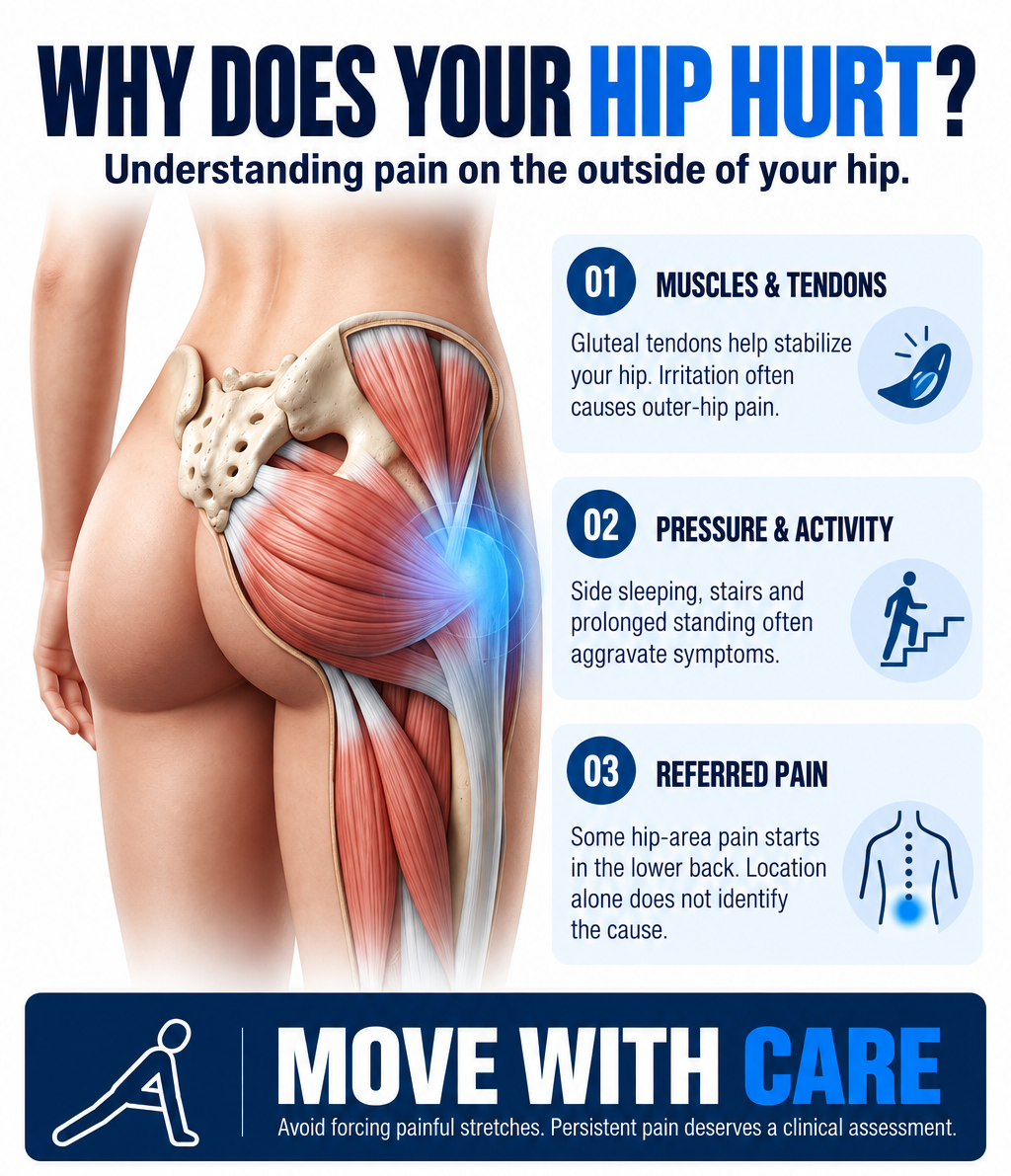
So, when should you choose assisted stretching? You should book a session when you feel restricted in your daily movements or athletic performance. If tight hips are throwing off your running stride, PNF helps. When stiff shoulders limit your overhead lifts, assisted stretching is the answer. It is the perfect tool for creating lasting changes in your mobility and preventing future injuries.
The Side-by-Side Comparison That Actually Matters
The most useful way to think about the difference isn’t “which is better” — it’s “what is each one actually trying to change?”
Massage primarily changes how your tissue feels right now. It excels at relieving acute soreness, improving circulation, downregulating the nervous system, and releasing trigger points. Most of the benefit is felt within the session and over the following few days.
Assisted stretching primarily changes how your body moves over time. It excels at restoring range of motion, retraining the nervous system, addressing chronic restriction, and improving movement quality. The benefit compounds with consistency over weeks and months.
Massage is mostly passive — you lie there, and the therapist works on you. Assisted stretching is collaborative — you breathe, engage, and contract on cue while the practitioner positions you. That difference matters more than people expect: the active engagement of assisted stretching is part of why the gains stick.
Massage tends to work from the outside in, addressing surface and progressively deeper tissue. Assisted stretching tends to work from the inside out, addressing the nervous system and joint capsule first, with muscle and fascia responding to that change.
Neither is “better.” They’re solving different problems. The trick is matching the tool to the goal.
The Best of Both Worlds: Why Graston Technique Changes the Conversation
Here’s where Utah Stretch’s approach gets interesting. While most stretch studios offer only assisted stretching and most massage studios offer only massage, our Movement Experts are also trained in the Graston Technique — a form of instrument-assisted soft tissue mobilization (IASTM) that bridges the gap between the two worlds.
Graston uses specifically designed stainless-steel instruments to detect and treat fascial adhesions, scar tissue, and chronic soft tissue restrictions. It’s essentially a precision tool for the deepest kind of soft tissue work — and it’s been particularly effective for issues that frustrate both pure massage and pure stretching, like plantar fasciitis, Achilles tendonitis, IT band restrictions, and chronic tendinopathies.
The evidence is promising. A systematic review of randomized controlled trials found that IASTM techniques, such as Graston, produced statistically and clinically significant reductions in pain compared with control groups (NCBI systematic review). Other research has shown that IASTM improves range of motion, soft-tissue function, and patient-reported function in clinical populations (Journal of Contemporary Chiropractic, systematic review).
Why does this matter for you? Because the most common issue we see in active Utahns isn’t “I need a relaxing massage” or “I need to be more flexible.” It’s some combination of both, with a stubborn restriction in the middle that neither tool addresses on its own. Pairing Graston work with PNF-assisted stretching in the same session is often the unlock — you break up the adhesion that was tethering the tissue, then use the stretching to reorganize the newfound mobility into something your nervous system can actually use.
Add in our compression band therapy (which uses tightly wound resistance bands to apply targeted pressure during movement, restoring joint glide and reducing inflammation) and kinesiology taping (for ongoing proprioceptive support between sessions). You get an integrated soft-tissue and mobility approach you can’t find at a typical massage studio or a pure stretching chain
How to Choose, Based on What’s Actually Going On
Here’s the decision framework we walk new clients through at Utah Stretch.
If your primary complaint is acute muscle soreness — that day-two ache after a hard workout, a long hike, or your first big ski day of the season — start with massage or a session that emphasizes soft tissue work. You want circulation, blood flow, and trigger point release. You’ll feel a difference within hours.
If your primary complaint is restriction — you can’t squat to depth, your golf swing has lost rotation, your shoulders feel locked up, you can’t comfortably touch your toes — start with assisted PNF stretching. Massage might feel good, but it won’t reorganize the joint mechanics or nervous system patterns that are creating the limitation. You’ll feel a difference after the session and bigger gains over weeks of consistent work.
If your primary complaint is chronic, stubborn pain or tendon issues — plantar fasciitis, Achilles tendonitis, tennis or golfer’s elbow, IT band syndrome — talk to a Movement Expert about whether the Graston Technique is right for you. Pure massage often can’t reach the adhesion driving the problem, and stretching alone won’t break it up.
If your primary complaint is stress, tension, and not feeling like yourself, you’re sleeping poorly, your shoulders live in your ears, you can’t unwind, massage’s nervous system effects are tough to beat. Pair it with a basic mobility routine for the best of both.
If you’re an active adult who wants to keep doing all the Utah things for the next thirty years — and honestly, this is most of our clients — the answer isn’t either-or. It’s a thoughtful blend, ideally programmed by someone who can assess where your body actually is, not where you assume it is
The Smart Weekly Recovery Stack for Active Utahns
Most clients we see do well with a combination that looks something like this:
- A weekly or biweekly one-on-one assisted stretching session (typically 25 or 50 minutes), used as the anchor for ongoing mobility maintenance and progressive range-of-motion gains.
- Targeted soft-tissue work — Graston, compression band therapy, or therapeutic massage — is added in when specific issues flare up or when training load is high.
- A short daily mobility routine of 5 to 10 minutes at home, ideally including hip flexors, thoracic spine, and ankles (the three biggest blind spots for desk-bound athletes).
- Smart fundamentals — seven to nine hours of sleep, real hydration (especially at Utah’s elevation, where you lose water faster than you think), and easy walking on rest days.
That stack covers all three layers — immediate recovery, long-term mobility, and daily maintenance — and it’s the same framework we use to keep our most committed clients pain-free season after season.
What an Assisted Stretching Session at Utah Stretch Actually Looks Like
If you’ve never experienced one-on-one assisted stretching before, here’s what to expect at our Midvale studio. Your first visit starts with a quick conversation about your goals, your sport, your history, and any specific pain or restriction you’re working with. From there, your Movement Expert performs a hands-on assessment — testing your hip mobility, spinal rotation, shoulder reach, and any other areas relevant to your goals. That assessment becomes the roadmap.
The session itself is calm, focused, and surprisingly active. You’ll be guided through a sequence of stretches, most of them using PNF principles, where you’ll engage a muscle briefly and then relax into a deeper stretch. Your practitioner does the positioning and the cueing — you breathe and follow along. Depending on your body’s needs, the session might also include Graston Technique work on a stubborn area, compression band therapy, or recommendations for taping and corrective exercises between visits.
Most people walk out feeling looser, taller, and more open through their hips and shoulders than they expected. The bigger payoff shows up over the next several days as your body recalibrates to the new range and starts moving more efficiently in everything you do
Ready to Find the Right Recovery Tool for Your Body?
The honest answer to “massage or assisted stretching?” is that you don’t have to choose. Both have a place in a smart, active life, and the most effective recovery routines blend hands-on soft-tissue work with intentional mobility training. What you do want to choose carefully is where you go and who you work with — because a trained practitioner who can assess your body, identify the actual limiting factor, and pull the right tool off the shelf is worth a hundred guessing sessions.
That’s what we do at Utah Stretch & Flexibility in Midvale. Our Movement Experts are trained iin PNF-assistedstretching, the Graston Technique, compression band therapy, kinesiology taping, and corrective exercise, so your session matches your body — not the other way around. Whether you’re chasing better skiing, pain-free hiking, longer playing years in your favorite sport, or just the ability to roll out of bed without wincing, we’d love to help you build it.
Try a complimentary introductory 45-minute PNF stretch and evaluation — includes a hands-on assessment with a Movement Expert and a chance to feel the difference of true assisted stretching for yourself.
Book your intro session | Call 801-738-7966 | 47 E Fort Union Blvd, Suite 201, Midvale, UT 84047
Your next decade of Utah adventures will need a body that can keep up. Let’s make sure it can.