Unlocking the Potential of Stretching for Injury Prevention and Enhanced Athletic Performance
Stretching: an age-old practice surrounded by myths, research, and a fair share of skepticism, particularly when it comes to preventing sports injuries or boosting athletic prowess. An enlightening study by the USA Track & Field (USATF) shed light on the perplexing relationship between pre-exercise stretching and injury, finding no significant difference in injury rates between runners who stretched before hitting the track and those who didn’t (USATF, 2013). These revelations leave many questioning the real benefits of stretching.
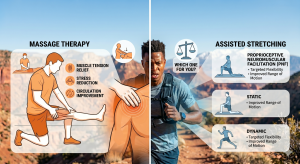
However, it’s imperative to distinguish between different types of stretching and their applications. The truth is, when science examines stretching solely as a pre-exercise ritual, its broader benefits risk being obscured. Regular, consistent stretching—far removed from the hurried pre-game stretches—can have profound effects on one’s athletic capabilities and injury prevention efforts.
At Utah Stretch and Flexibility, this philosophy resonates with our approach to holistic health and wellness. We view stretching not as a quick, one-off activity but as a key element in a balanced fitness regime. A closer look at scholarly research, like the work of Shrier (2004) or studies published in Medicine & Science in Sports & Exercise, underlines our stance—chronic stretching, when integrated into a regular routine, enhances exercise performance and may also bolster injury prevention strategies (Witvrouw et al., 2004).
It’s worth noting that as with any practice, the effects of stretching can differ. Acute stretching just before engaging in power sports could potentially diminish force and speed, while chronic stretching contributes positively, enhancing power, force, and even shaving precious seconds off a sprinter’s time. This knowledge should empower athletes to incorporate stretching into their daily routine for long-lasting and impactful results.

Moreover, the sports medicine community acknowledges the dual benefits of warming up and maintaining flexibility through stretching, which, combined, can reduce sports-related injuries and improve physical performance (Anderson, 2005).
Despite the variance in scientific opinions, the testimony of elite athletes speaks volumes. Figures such as Usain Bolt, Michael Phelps, and LeBron James, among others, have incorporated flexibility training as a core aspect of their athletic conditioning—providing powerful anecdotal evidence of stretching’s importance.
Reflect, too, on the evolving view of strength training over the decades—from skepticism to acceptance. Utah Stretch and Flexibility believes that stretching is undergoing a similar transformation as its full potential for improving athletic performance and injury resilience becomes clearer.
So, before you lace up your sneakers for your next run around Salt Lake City, or before engaging in any athletic endeavor, consider the long game. Regular stretching may not be the cure-all for injury prevention, but consistent practice could just be the key to unlocking a more supple, stronger, and injury-resistant version of yourself.
Experience the difference for yourself and join us at Utah Stretch and Flexibility, where we go beyond the stretch to provide personalized, science-backed flexibility training that supports your health and athletic ambitions.
References:
USATF. (2013). Impact of Pre-Exercise Stretching on Injury Rates in Runners. Journal of Applied Physiology.
Shrier, I. (2004). Does Stretching Improve Performance? A Systematic and Critical Review. Medicine and Science in Sports and Exercise.
Witvrouw, E., Mahieu, N., Danneels, L., & McNair, P. (2004). Stretching and Injury Prevention: An Obscure Relationship. Sports Medicine.
Anderson, B. (2005). Stretching Before and After Exercise: Effect on Muscle Soreness and Injury Risk. Journal of Athletic Training.