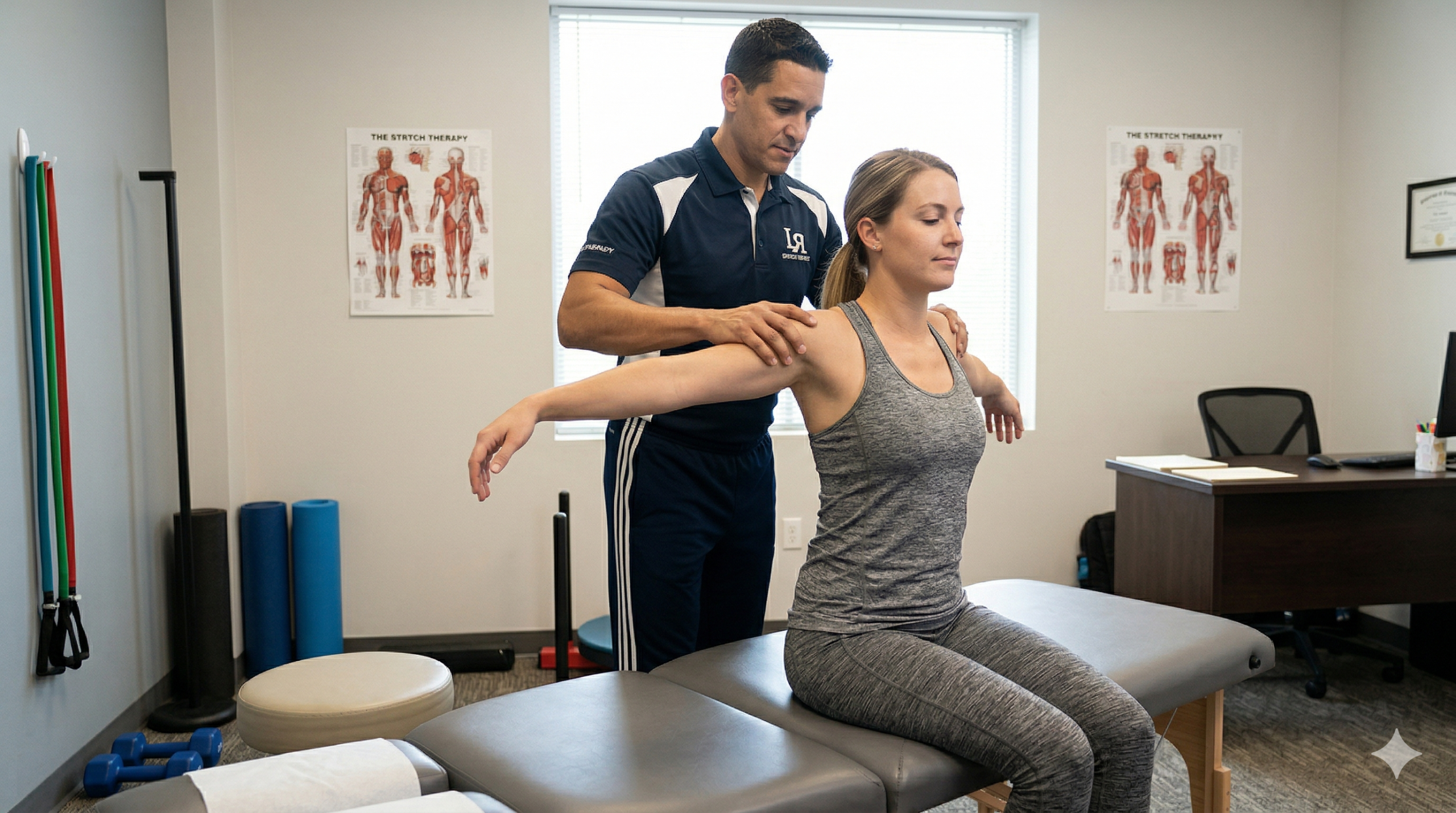
Picture this: you’re reaching for something on the top shelf, and just as your fingertips brush against the object, you feel a tightness in your shoulder. It’s that familiar tug of resistance, a reminder of your body’s natural limitations. But what if there was a way to unlock that range of motion, to tap into your body’s full potential?
Enter PNF stretching – a method that goes beyond traditional stretching to unleash newfound flexibility and mobility. It’s not just about touching your toes or bending a little further; it’s about redefining what your body is capable of achieving.
So, what exactly is PNF stretching, and how can it revolutionize your approach to fitness and movement? Join us on a journey as we unravel the mysteries of PNF stretching, exploring its techniques, benefits, and the profound impact it can have on your physical well-being. Get ready to stretch your limits and discover a whole new realm of possibility.
What is PNF Stretching?
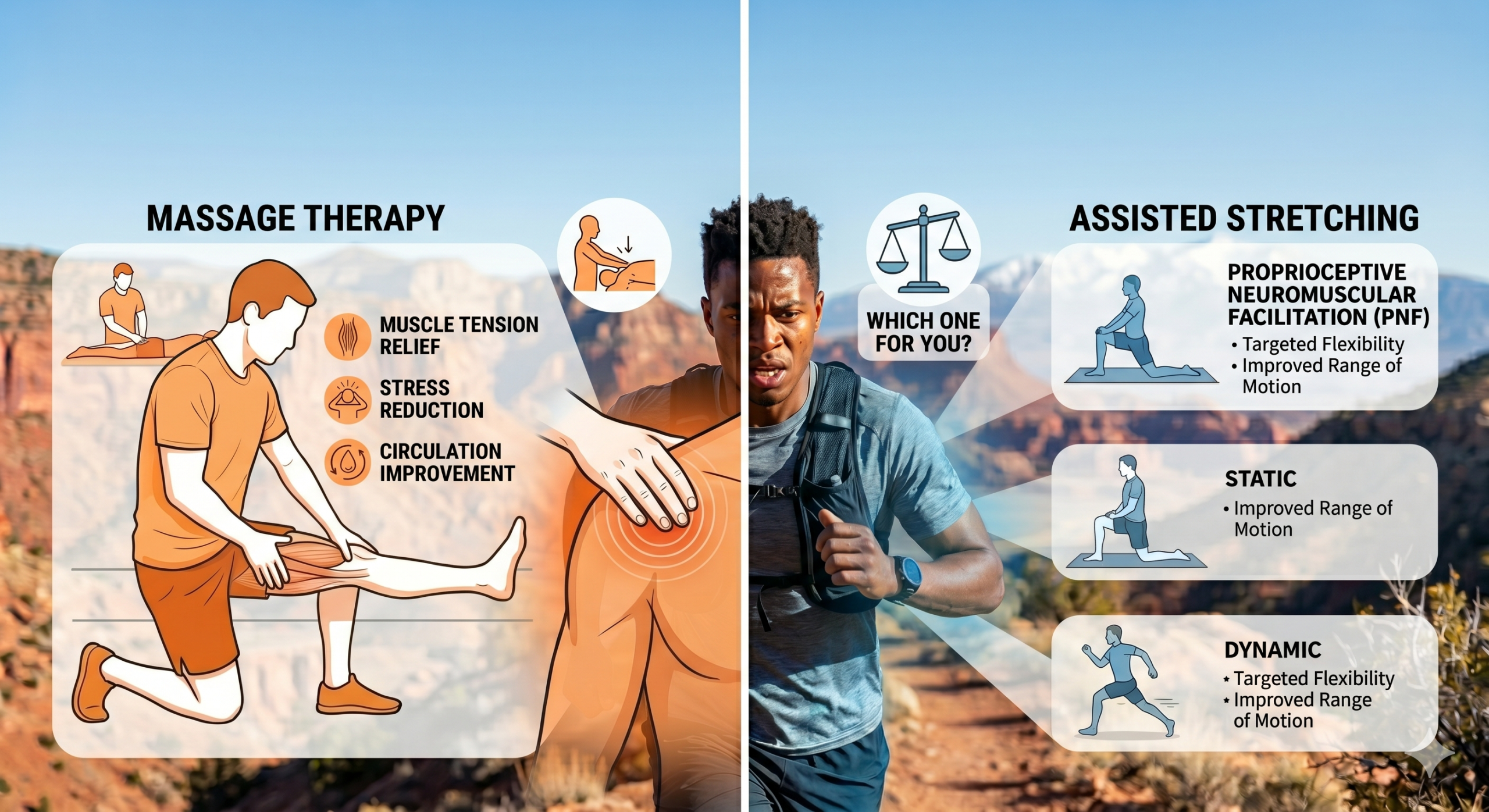
PNF stretching, short for Proprioceptive Neuromuscular Facilitation, is a highly effective method of increasing flexibility and improving range of motion. Unlike traditional static stretching, which involves holding a position for a prolonged period, PNF stretching incorporates alternating cycles of muscle contraction and relaxation to achieve greater gains in flexibility.
At its core, PNF stretching relies on the body’s proprioceptors – sensory receptors that provide feedback on muscle length and tension – to facilitate a deeper stretch. By engaging both agonist and antagonist muscles through specific contraction-relaxation sequences, PNF stretching promotes greater neuromuscular adaptation and enhances muscular flexibility.
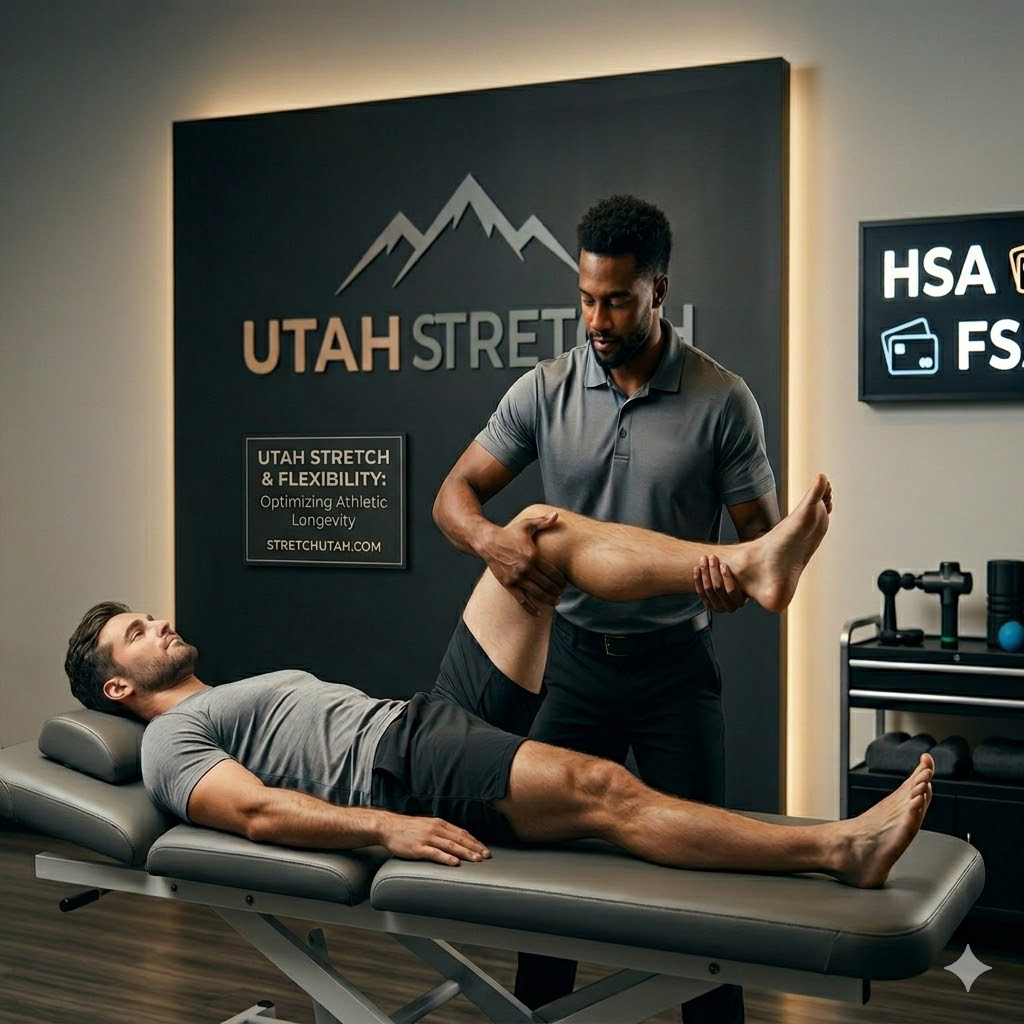
Common PNF stretching techniques include Contract-Relax (CR), Hold-Relax (HR), and Contract-Relax-Antagonist-Contract (CRAC), each tailored to target different muscle groups and movement patterns. These techniques can be applied both independently and with the assistance of a partner or therapist to maximize results.
In essence, PNF stretching capitalizes on the body’s innate ability to adapt and respond to stimuli, resulting in significant improvements in flexibility, mobility, and overall functional performance.
PNF Stretching Techniques
1. Contract-Relax (CR)
Ever felt like your muscles are resisting your attempts to stretch them? CR technique is here to break through that barrier. It involves a simple yet powerful process: first, you engage the muscle you want to stretch, holding it for a few seconds. Then, you release and elongate the muscle further, capitalizing on the relaxation response to deepen the stretch. This cycle of contraction and relaxation taps into your body’s natural reflexes, coaxing your muscles to let go and reach new levels of flexibility.
2. Hold-Relax (HR)
Sometimes, your muscles need a little more persuasion to loosen up. That’s where HR comes in. With this technique, you’ll isometrically contract the muscle against resistance for a brief period. Then, as you release the contraction, you’ll find that your muscle relaxes more deeply, allowing for a greater stretch. It’s all about leveraging the body’s response to tension, using it to your advantage to achieve a more profound and lasting flexibility.
3. Contract-Relax-Antagonist-Contract (CRAC)
CRAC takes PNF stretching to the next level by involving both the muscle you’re targeting and its opposing muscle group. Here’s how it works: you start by contracting the muscle you want to stretch, just like in CR. Then, instead of immediately relaxing, you engage the opposing muscle group to further enhance the stretch. This reciprocal activation and relaxation create a dynamic interplay between muscles, resulting in improved range of motion and functional flexibility.
Benefits of PNF Stretching
1. Enhanced Flexibility and Range of Motion
Say goodbye to stiffness and hello to newfound flexibility! PNF stretching goes beyond surface-level stretching to target deep within your muscles, helping to unlock tightness and increase your range of motion. Whether you’re reaching for the top shelf or aiming for that extra stretch in your yoga pose, PNF stretching can help you move with greater ease and grace.
2. Improved Muscular Strength and Function
Flexibility isn’t just about bending further; it’s also about building strength and stability. With PNF stretching, you’re not only lengthening your muscles but also training them to engage more efficiently. By incorporating resistance and activation into the stretching process, PNF stretching helps to improve muscular strength and function, enhancing your overall athletic performance and reducing the risk of injury.
3. Enhanced Neuromuscular Coordination
Your muscles and nervous system are in constant communication, coordinating every movement you make. PNF stretching takes advantage of this connection, stimulating your proprioceptors to enhance neuromuscular coordination. By engaging both agonist and antagonist muscles in a coordinated fashion, PNF stretching improves your body’s ability to move with precision and control, whether you’re dancing, playing sports, or simply going about your daily activities.
4. Injury Prevention and Rehabilitation
Prevention is the best medicine, and PNF stretching is your secret weapon against injuries. By increasing flexibility, strengthening muscles, and improving coordination, PNF stretching helps to reduce the risk of strains, sprains, and other common injuries. Plus, if you’re recovering from an injury, PNF stretching can aid in rehabilitation, speeding up the healing process and restoring function to injured muscles and joints.
5. Holistic Approach to Wellness
Flexibility isn’t just a physical attribute; it’s a reflection of your overall well-being. PNF stretching promotes a holistic approach to wellness, addressing both the physical and mental aspects of health. As you release tension and open up your body, you’ll also experience a sense of relaxation and rejuvenation, leaving you feeling refreshed and revitalized from the inside out.
Incorporating PNF Stretching into Your Routine
1. Start Slow and Gradual
Like any new exercise routine, it’s important to ease into PNF stretching gradually. Begin with gentle stretches and shorter holds, gradually increasing the intensity and duration as your body adapts. Listen to your body’s signals and avoid pushing yourself too hard, especially if you’re new to stretching or recovering from an injury.
2. Be Consistent and Patient
Consistency is key when it comes to seeing results with PNF stretching. Aim to incorporate PNF stretching into your routine at least 2-3 times per week, if not more. Over time, you’ll start to notice improvements in your flexibility, range of motion, and overall performance. Remember, progress takes time, so be patient and stay committed to your stretching practice.
3. Customize to Your Needs
One of the great things about PNF stretching is its versatility. You can tailor your PNF stretching routine to target specific areas of tightness or weakness in your body. Whether you’re focusing on tight hamstrings, stiff shoulders, or aching lower back, there are PNF stretching techniques to address your unique needs. Experiment with different stretches and variations to find what works best for you.
Congratulations, you’re now equipped with the knowledge and tools to take your flexibility to new heights with PNF stretching. By incorporating Contract-Relax, Hold-Relax, and Contract-Relax-Antagonist-Contract techniques into your routine, you’ll unlock greater flexibility, strength, and mobility than you ever thought possible.
Remember, Rome wasn’t built in a day, and neither is flexibility. Be patient with yourself, stay consistent with your practice, and celebrate the small victories along the way. Whether you’re an athlete looking to improve performance, a weekend warrior aiming to prevent injuries, or simply someone who wants to move with more freedom and ease, PNF stretching has something to offer everyone.
So, what are you waiting for? It’s time to stretch your limits and unleash your body’s full potential with PNF stretching. Get ready to feel stronger, more flexible, and more empowered than ever before. Your journey to optimal flexibility starts now!