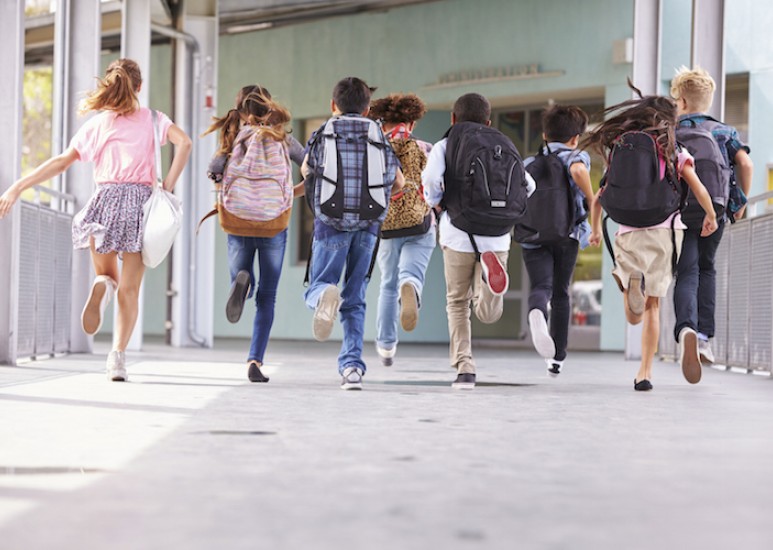
In some cases, children as young as 8 years old have been observed carrying backpacks that weigh up to 30% of their body weight, an excessive burden that can have severe repercussions on their developing bodies.
Carrying excessive weight on a daily basis can lead to a range of health issues for children. One of the most significant risks is the potential for musculoskeletal problems, including back pain, neck strain, and poor posture. The added stress on the spine and muscles can cause long-term damage, potentially leading to chronic issues such as disc compression, muscle imbalances, and even spinal deformities like scoliosis.
Furthermore, the weight of heavy backpacks can cause fatigue, headaches, and decreased mobility, which can negatively impact a child’s ability to concentrate and participate in physical activities. This, in turn, can have a detrimental effect on their overall academic performance and social development.
Proper Backpack Weight and Size
 Ensuring the proper weight and size of a backpack is crucial for preventing potential harm to a child’s developing musculoskeletal system. Experts generally recommend that a backpack should not exceed 10-15% of a child’s body weight. For example, a child weighing 60 pounds should carry no more than 6-9 pounds in their backpack.
When selecting a backpack, consider the child’s age, height, and torso length. The backpack should be proportional to the child’s body size, with the bottom of the pack resting at or slightly above the waist level. The backpack should not extend beyond the shoulders or hang too low on the back.
Look for backpacks with padded, contoured shoulder straps and a padded back panel to distribute the weight evenly and reduce pressure on the shoulders and back. Adjustable straps and a hip belt can also help transfer some of the weight to the hips and pelvis, alleviating strain on the back and shoulders.
It’s essential to regularly check the backpack’s weight and adjust the contents as needed, removing unnecessary items or distributing the weight evenly. Encourage children to carry only the essentials and to use lockers or desks for storing heavy textbooks or materials when not in use.
Correct Backpack Placement and Positioning
Proper backpack placement and positioning are crucial for preventing musculoskeletal issues in children. The backpack should be worn over both shoulders, with the weight evenly distributed across the back. Wearing a backpack slung over one shoulder can cause muscle strain, poor posture, and spinal misalignment.
When placing the backpack on the child’s back, ensure that it sits snugly against the lower back, without extending past the waistline. The backpack should never be positioned too low, as this can cause the child to lean forward, leading to back pain and poor posture.
Adjusting the straps is equally important. The shoulder straps should be tightened to secure the backpack close to the body, minimizing excessive movement or swinging. Additionally, utilizing the chest or waist straps can help distribute the weight evenly across the upper body, reducing strain on the shoulders and back.
It’s essential to encourage children to use both straps and avoid carrying the backpack on one shoulder, even for short distances. This habit can lead to muscle imbalances and potential injuries over time.
Lastly, ensure that the weight is evenly distributed within the backpack. Heavier items should be placed closest to the child’s back, while lighter items can be positioned towards the front or sides. This weight distribution helps maintain proper balance and reduces the risk of strain or injury.
Posture and Spinal Alignment
Improper backpack placement and excessive weight can significantly impact a child’s posture and spinal alignment. The spine is designed to maintain its natural curvature, but carrying a heavy backpack on one shoulder or leaning forward to counterbalance the weight can cause the spine to curve unnaturally. This poor posture can lead to muscle strain, disc compression, and even long-term spinal deformities if left uncorrected.
To maintain proper spinal alignment, it is crucial to encourage children to wear their backpacks correctly, using both shoulder straps and positioning the backpack high on the back, close to the body. This distributes the weight evenly across the shoulders and back, reducing the strain on the spine and muscles.
Additionally, teaching children proper posture techniques, such as standing tall with their shoulders back and engaging their core muscles, can help counteract the effects of carrying a heavy backpack. Regular stretching and exercises that strengthen the back and abdominal muscles can also aid in maintaining good posture and spinal alignment.
It is essential to monitor children for signs of poor posture or spinal misalignment, such as leaning to one side, hunched shoulders, or a protruding abdomen. Addressing these issues early can prevent long-term complications and promote healthy spinal development.
Preventing Back and Neck Pain
Carrying heavy backpacks can lead to various back and neck issues in children. The excessive weight and improper positioning of the backpack can strain the muscles and put pressure on the spine, potentially causing long-term problems if not addressed.
One of the most common issues is lower back pain. The added weight of a heavy backpack can cause the child to lean forward, arching their back and straining the muscles. This posture misalignment can lead to chronic back pain, muscle spasms, and even disc compression.
Neck pain is another common complaint among children carrying heavy backpacks. The weight of the backpack can pull the shoulders backward, causing the neck to bend forward to compensate. This unnatural position can lead to muscle tension, headaches, and even pinched nerves in the neck area.
To prevent these issues, it’s essential to follow proper backpack weight guidelines and ensure that the backpack is worn correctly. The backpack should be lightweight, with padded shoulder straps and a hip belt to distribute the weight evenly. Encourage children to use both shoulder straps and adjust the straps to keep the backpack close to their back, avoiding excessive forward leaning.
If a child experiences persistent back or neck pain, it’s crucial to seek medical attention. A healthcare professional can assess the situation and provide recommendations for stretches, exercises, or ergonomic adjustments to alleviate the discomfort and prevent further injury.
Shoulder and Muscle Strain
Improper backpack placement can lead to significant shoulder and muscle strain, causing discomfort and potential long-term issues. When a backpack is not worn correctly or is too heavy, it can pull the body out of alignment, straining the muscles in the shoulders, neck, and back.
One of the most common issues is the uneven distribution of weight, which can occur when a backpack is worn on one shoulder or when the straps are not adjusted properly. This imbalance can cause the muscles on one side of the body to work harder, leading to strain, tightness, and potential injury.
To alleviate shoulder and muscle strain, it is essential to perform stretches and exercises that target the affected areas. Simple shoulder rolls and neck stretches can help relieve tension and improve mobility. Additionally, strengthening exercises for the back and core muscles can help support proper posture and distribute the weight more evenly.
For those experiencing persistent discomfort, it may be beneficial to seek guidance from a physical therapist or healthcare professional. They can provide personalized exercises and stretches tailored to the individual’s needs and help identify any underlying issues that may be contributing to the strain.
Backpack Organization and Weight Distribution
Proper backpack organization and weight distribution are crucial for preventing strain and discomfort. Here are some tips for efficiently packing and balancing the load:
Pack heavier items closest to the back and center of the backpack, near the body’s center of gravity. This minimizes strain on the back and shoulders.
Distribute weight evenly between the two sides of the backpack to avoid leaning to one side, which can lead to poor posture and muscle imbalances.
Use all compartments and pockets to distribute weight throughout the backpack rather than concentrating it in one area.
Pack frequently used items in easily accessible pockets or compartments to avoid constantly removing and repacking the backpack.
Utilize compression straps or compression compartments to cinch down and stabilize the load, preventing items from shifting and throwing off the balance.
Periodically reorganize and repack the backpack to maintain an even weight distribution as contents are removed or added throughout the day.
Consider using backpack organizers or compartmentalized inserts to separate and organize items, making it easier to distribute weight evenly.
Encourage children to carry only the necessary items for the day, avoiding unnecessary clutter and excess weight in the backpack.
By following these tips for efficient backpack organization and weight distribution, children can reduce strain on their backs, shoulders, and muscles, promoting better posture and overall comfort during daily activities.
Ergonomic Backpack Features
Choosing the right backpack with ergonomic features can significantly improve comfort and promote proper placement on a child’s back. Look for backpacks with padded, contoured shoulder straps that distribute weight evenly across the shoulders and prevent digging into the skin. Padded back panels and lumbar support help maintain the natural curve of the spine, reducing strain on the lower back.
Ventilation is another important feature to consider. Backpacks with mesh panels or channels allow airflow, preventing sweating and discomfort. Compression straps or hip belts can help transfer some of the weight from the shoulders to the hips, alleviating pressure on the back and shoulders.
Ergonomic backpacks often have multiple compartments and organizational pockets, allowing for better weight distribution by positioning heavier items closer to the back. This prevents the backpack from pulling away from the body, which can cause poor posture and strain.
When choosing a backpack, prioritize ergonomic features that promote proper placement, weight distribution, and comfort. A well-designed backpack can make a significant difference in preventing back pain, muscle strain, and other issues associated with improper backpack usage.
Monitoring and Adjusting Backpack Fit
Ensuring a proper backpack fit is not a one-time task. As children grow and their bodies change, it’s crucial to regularly monitor and adjust their backpack’s fit. A backpack that once fit perfectly may become too small or improperly positioned, leading to discomfort and potential health issues.
Parents and caregivers should make it a habit to check the backpack fit at the beginning of each school year and periodically throughout the year. Look for signs that the backpack is too small, such as straps that are too tight or the backpack sitting too low on the child’s back.
Additionally, be attentive to any complaints from your child about discomfort or pain while wearing the backpack. This could indicate that the backpack is too heavy, improperly positioned, or no longer fits correctly.
If you notice any of these signs, it’s time to replace the backpack with a properly sized and fitted one. Children’s bodies grow rapidly, and a backpack that fits well one year may not be suitable the next.
Investing in a high-quality, adjustable backpack can help accommodate your child’s growth spurts and ensure a proper fit over time. Look for backpacks with adjustable straps, padded back panels, and ergonomic designs that can be customized to your child’s specific needs.
Educating Children and Parents
Proper backpack usage is a crucial skill that should be instilled in children from an early age. By educating both children and their parents on the importance of correct backpack placement and weight distribution, we can promote better posture, prevent potential injuries, and foster a culture of awareness surrounding this issue.
For children, interactive and engaging methods can be employed to teach them the fundamentals of backpack safety. School assemblies, classroom demonstrations, and hands-on activities can help reinforce the importance of wearing backpacks correctly. Visual aids, such as posters or videos, can effectively illustrate the proper techniques for adjusting straps, distributing weight evenly, and maintaining good posture while carrying a backpack.
Parents play a vital role in reinforcing these lessons at home. Workshops, informational sessions, or even online resources can equip parents with the knowledge and skills necessary to guide their children in proper backpack usage. By involving parents in the process, children receive consistent messaging and support, increasing the likelihood of adopting and maintaining safe habits.
Schools can also take an active role in promoting backpack safety. Incorporating backpack checks into routine health screenings or organizing backpack weigh-ins can help identify potential issues and provide personalized advice to students and families. Additionally, schools can collaborate with local healthcare professionals, such as physical therapists or chiropractors, to offer educational seminars or consultations.
Community outreach efforts can further amplify the message of backpack safety. Partnering with local organizations, community centers, or youth groups can help disseminate information and raise awareness among a broader audience. Social media campaigns, public service announcements, or even backpack safety fairs can effectively engage families and encourage proactive measures.
By fostering a comprehensive approach to education and awareness, we can empower children and parents alike to prioritize proper backpack placement and usage, ultimately reducing the risk of injuries and promoting long-term spinal health.
The Role of Schools and Educators
Schools and educators play a crucial role in promoting proper backpack usage and safety among students. By implementing proactive policies and practices, they can help prevent potential health issues and instill good habits from an early age.
One effective strategy is to establish clear guidelines for backpack weight limits based on a student’s age and size. These guidelines should be communicated to both students and parents, ensuring everyone is aware of the recommended weight limits and the potential risks of carrying excessive loads.
Additionally, schools can provide adequate locker or storage facilities, encouraging students to store unnecessary items throughout the day. This practice helps reduce the overall weight carried in backpacks, minimizing strain on young bodies.
Regular classroom reminders and educational sessions can also be beneficial. Teachers can demonstrate proper backpack wearing techniques, such as using both straps and adjusting the fit for optimal weight distribution. These sessions can also cover topics like organizing backpack contents, packing only essential items, and recognizing signs of discomfort or pain.
Furthermore, schools can collaborate with healthcare professionals, such as physical therapists or chiropractors, to conduct workshops or seminars for students and parents. These experts can provide valuable insights into the long-term effects of improper backpack usage and offer personalized advice on backpack selection and fitting.
By taking a proactive approach and prioritizing backpack safety, schools and educators can play a vital role in promoting the overall well-being of their students, ensuring they develop healthy habits that will benefit them throughout their academic journey and beyond.
Long-Term Health Benefits
Proper backpack placement and weight management are crucial for preventing long-term health issues in children. By establishing good habits early on, parents and educators can help protect kids from chronic back pain, poor posture, and other musculoskeletal problems that can persist into adulthood.
Carrying excessive weight on their backs can lead to spinal misalignment, disc compression, and muscle imbalances in children whose bodies are still developing. These issues can have lasting consequences if left unchecked, potentially leading to chronic back pain, reduced mobility, and an increased risk of injury later in life.
Furthermore, improper backpack usage can contribute to poor posture habits that become ingrained over time. Slouching, leaning forward, or favoring one side to compensate for an unbalanced load can lead to muscular imbalances and structural abnormalities that are difficult to correct as children grow older.
By promoting proper backpack placement and weight management from an early age, parents and educators can help children develop strong, healthy posture and movement patterns. This not only reduces the risk of immediate discomfort and pain but also sets the foundation for a lifetime of better spinal health and overall physical well-being.
In addition to preventing chronic back issues, proper backpack usage can also contribute to improved respiratory function, circulation, and energy levels. When children aren’t burdened by excessive weight or poor posture, they can breathe more deeply, move more freely, and engage in physical activities with greater ease and enjoyment.
Overall, the long-term benefits of proper backpack placement and weight management cannot be overstated. By prioritizing these practices from a young age, parents and educators can help children avoid a lifetime of preventable back problems, promote better overall health, and instill healthy habits that will serve them well into adulthood.
Seeking Professional Advice
While following general guidelines for proper backpack usage is crucial, it’s equally important to recognize when professional assistance may be necessary. If your child experiences persistent back or neck pain, numbness or tingling in the arms or legs, or difficulty standing upright, it’s advisable to consult a healthcare professional.
Chiropractors and physical therapists can assess your child’s posture, spinal alignment, and overall musculoskeletal health. They can identify any underlying issues and provide personalized recommendations for backpack selection, adjustment, and usage. These experts may also suggest specific exercises or stretches to alleviate discomfort and improve overall spinal health.
In some cases, a healthcare professional may recommend additional supportive devices, such as back braces or posture correctors, to be used in conjunction with a properly fitted backpack. They can also provide guidance on ergonomic workstation setup and posture awareness, which can further reduce the strain on a child’s developing body.
It’s important to address backpack-related issues promptly, as they can potentially lead to more serious problems if left unchecked. By seeking professional advice, parents can ensure their child’s backpack is not only properly fitted but also compatible with their individual needs and physical condition.
Conclusion and Key Takeaways
Proper backpack placement and weight distribution are crucial factors in protecting children’s physical health and development. The potential consequences of improper backpack use, such as back and neck pain, poor posture, and muscle strain, can have long-lasting effects on a child’s growth and well-being. By prioritizing ergonomic backpack features, teaching children how to wear and organize their backpacks correctly, and promoting awareness among parents and educators, we can help prevent these issues and promote a healthier future for our children.
Parents and caregivers play a vital role in ensuring their children’s backpacks are appropriately sized, weighted, and positioned. Regular monitoring and adjustments as children grow are essential to maintain proper fit and distribution. Educators and school administrators should also prioritize backpack safety guidelines, educating students on proper backpack usage and providing resources to support healthy habits.
Ultimately, addressing the importance of proper backpack placement is a shared responsibility among families, schools, and communities. By working together and prioritizing this issue, we can alleviate the burden of heavy backpacks on our children, promoting their physical well-being and enabling them to focus on learning and growing without unnecessary discomfort or strain.