Parkinson’s disease can make movement feel slower, tighter, and more tiring than it used to be. Everyday actions like standing up, turning in bed, or walking across a room can become harder over time.
The good news is that gentle stretching and movement can help support flexibility, posture, and comfort. For many people, assisted stretching offers a safe, hands-on way to move more easily and feel better in their body. In this post, we’ll explain how stretching with Parkinson’s can help, what assisted stretching looks like, and how Utah Stretch can support you or your loved one.
“Stretching helps keep muscles and joints flexible, which can be especially important when Parkinson’s causes stiffness.”
Why stretching matters in Parkinson’s
Parkinson’s often causes rigidity, slowness of movement, balance challenges, and changes in posture. Over time, these symptoms can make it harder to walk comfortably, reach overhead, turn the body, or get up from a chair.
Stretching does not cure Parkinson’s, but it can help the body stay more mobile and comfortable. Regular flexibility work may help reduce stiffness, maintain range of motion, and support better movement during daily activities.
For many people, stretching is one helpful piece of a larger care plan that may also include physical therapy, exercise, medication, and caregiver support. The most important thing is consistency. Small, regular efforts often matter more than occasional intense sessions.
What is assisted stretching and how it supports alignment
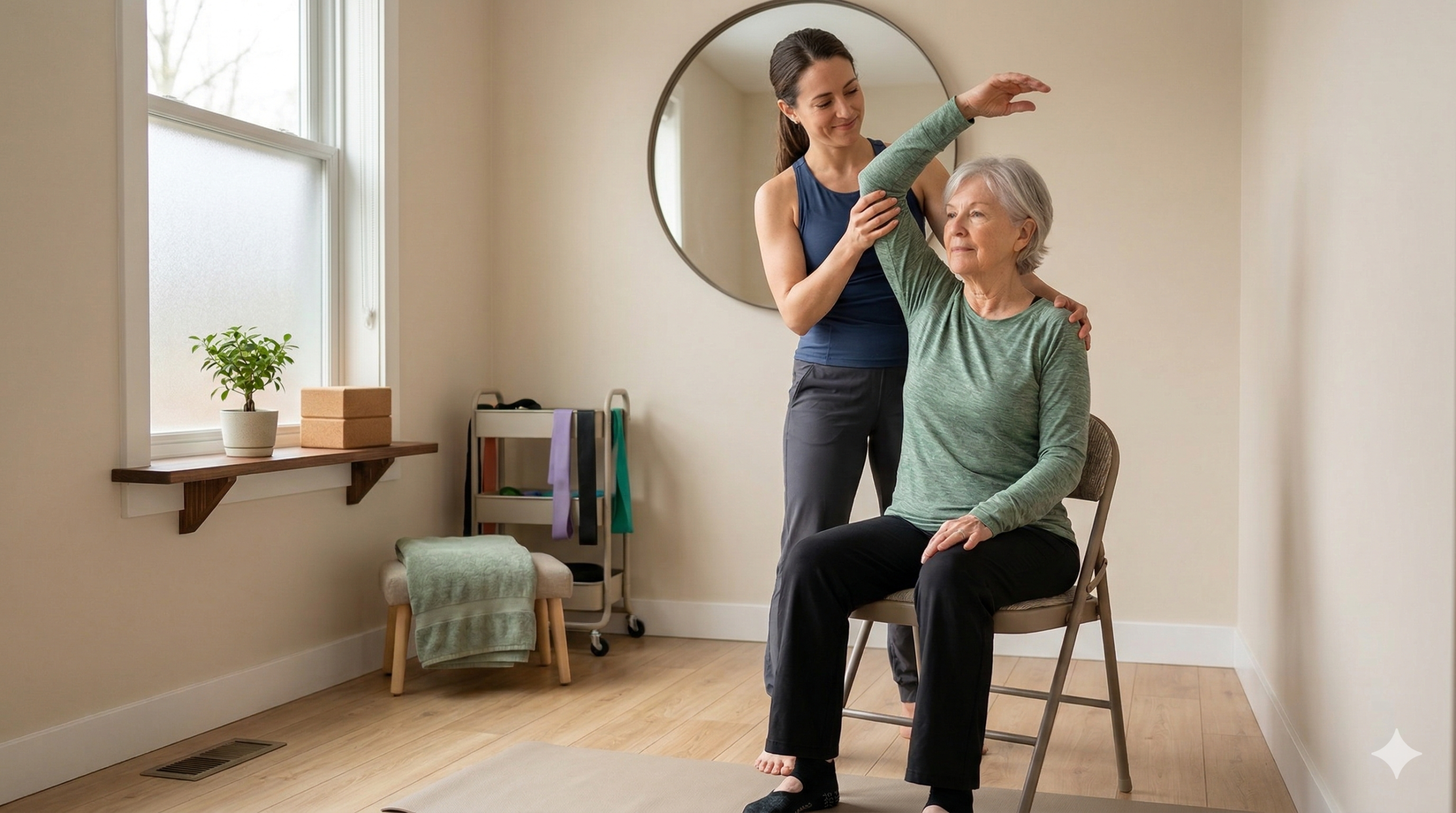
Assisted stretching is a guided, hands-on session where a trained stretch specialist helps move your body through safe and comfortable ranges of motion. Instead of stretching on your own, you receive support, alignment, and gentle assistance from someone trained to help you relax into the stretch.
This can be especially useful for people with Parkinson’s because stiffness, tremor, or balance concerns may make solo stretching difficult. Assisted stretching can help support posture, reduce tension, and improve body awareness.
At Utah Stretch, the goal is not to push the body too far. The goal is to help you move in a way that feels safe, respectful, and beneficial
Key benefits of assisted stretches for people with Parkinson’s
Here are some of the most common ways assisted stretching may help:
Reduced stiffness and rigidity. Gentle stretching may help counter the tight, resistant feeling many people with Parkinson’s experience.
Better mobility. When muscles are less tight, it may feel easier to stand, walk, turn, and bend.
Improved posture. Stretching the chest, hips, and back can help support a more upright position.
More comfortable movement. Many people notice less strain when getting dressed, reaching, or changing positions.
Support for balance work. Stretching can prepare the body for other exercises that help with stability.
Less pain and discomfort. Looser muscles and better alignment may reduce aches caused by stiffness.
Improved confidence. Feeling more mobile often helps people feel more comfortable staying active.
Assisted stretching is not a miracle fix, but it can be a meaningful way to support quality of life, especially when combined with a good care plan.
What to expect during an assisted stretch session at Utah Stretch
A first visit is usually simple and comfortable. Here’s what a session may look like:
1. Quick intake
We start by learning about your goals, current mobility, and any health concerns. If needed, we encourage you to speak with your doctor or physical therapist before beginning.
2. Gentle assessment
We look at how you move, where you feel tight, and what positions feel best for your body.
3. Assisted stretching
Your stretch specialist guides you through safe, gentle stretches. The session may focus on your neck, shoulders, back, hips, legs, or other areas that feel stiff.
4. Modifications as needed
If you use a walker, have balance concerns, or need extra support, we adjust the session to fit your needs.
5. Wrap-up and guidance
We finish with a quick review and may suggest simple movement habits you can discuss with your care team or continue at home.
Most importantly, we move at your pace.
Real-life example
One client came in feeling stiff in the mornings and tense in the hips and upper back. Walking felt harder when he first got up, and turning in bed was uncomfortable.
After several assisted stretch sessions, he reported feeling looser, more upright, and more comfortable during daily movement. He still had Parkinson’s, of course, but the stretching helped him feel more confident and less restricted in his body.
That kind of result is realistic: not a cure, but a better sense of ease, support, and mobility.
Safety, contraindications, and how we work with medical teams
Assisted stretching should always be done with safety in mind. People with Parkinson’s should talk with their neurologist or physical therapist before starting any new therapy or exercise program.
We also take extra caution if someone has:
Recent surgery
Severe pain
Unstable blood pressure
A history of frequent falls
Significant osteoporosis or fracture risk
Any condition that makes stretching unsafe
Utah Stretch does not replace medical care. We work alongside it. If needed, we can coordinate with your care team so the session fits your needs and supports your overall plan.
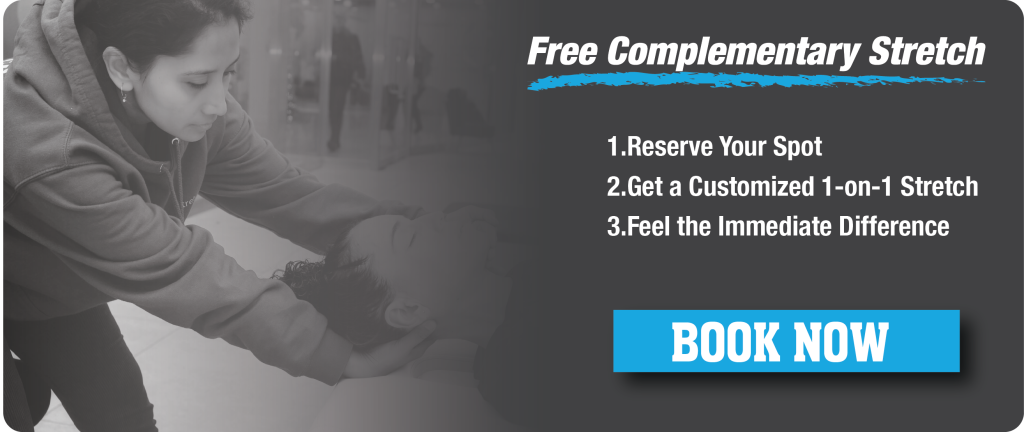
Complimentary stretch offer
Utah Stretch and Flexibility is offering a complimentary first assisted stretch session for new clients.
What’s included
A 45–60 minute introductory session
A gentle mobility and posture-focused stretch
A brief discussion of your goals and comfort level
Simple recommendations for next steps
How to book
Call: (801)738-7866
Book online: stretchutah’com
What to bring
Comfortable clothing
Any mobility aids you normally use
A list of current medications if helpful
A caregiver or family member if you want support
Important note
This offer is intended for new clients and may be limited-time only. Please confirm availability when booking.
FAQ
Is stretching safe for people with Parkinson’s?
Often yes, but it should be tailored to the person. It’s best to check with a neurologist or physical therapist first.
How often should someone with Parkinson’s stretch?
Consistency matters more than intensity. Many people benefit from stretching several times a week or daily, depending on what their care team recommends.
What is the difference between assisted stretching and physical therapy?
Physical therapy is a medical service focused on rehabilitation and treatment. Assisted stretching is a wellness service focused on flexibility, comfort, and movement support.
Can caregivers help with stretching at home?
Yes, but only with safe guidance. We recommend learning proper technique before trying stretches at home.
Do I need a referral?
Usually no, but medical clearance may still be wise depending on your health history.
Closing paragraph
Living with Parkinson’s can be challenging, but you do not have to face stiffness and movement changes alone. Gentle stretching, especially when guided by a trained professional, can support comfort, posture, and confidence in daily life.
If you or someone you love is looking for stretching with Parkinson’s in Utah, Utah Stretch is here to help. Schedule your complimentary first session and take the next step toward easier movement.
References and further reading